Setting Gentle Goals: How to Find Meaningful Direction This New Year | House of Wellness
By Paula Vescio, RSW, MSW
Why You Should Set Goals for the New Year—Even If You Don’t Believe in Resolutions
Every December it’s easy to roll your eyes at New Year’s resolutions. We’ve all made them, abandoned them, and joked about how unrealistic they are. But, underneath that humor is something true. Most of us still want direction. We crave the sense that we’re growing toward something that matters.
You don’t need resolutions. But you do need direction.
Gentle, meaningful goals help you grow with intention instead of drifting through another year. Think of goals as a compass, not a contract. They’re there to point you toward whom you want to become, not pressure you into perfection.
The Science Behind Why Goals Help Us Grow
Our brains love clarity. Psychology research shows that when goals are written down, people are about 42% more likely to achieve them. That’s because clarity reduces overwhelm and increases follow-through. Having something defined, however small, helps your mind anchor to something stable and motivating.
When you know what you’re working toward, your nervous system experiences less uncertainty. You’re not constantly guessing what to do next, which means less stress and more focus. Goals become a form of emotional self-regulation, one that steadies you even on the days you feel scattered.
The Power of Small, Sustainable Steps
The biggest myth about goal setting is that change has to be big. Psychology tells a different story. Breaking goals into smaller steps increases success rates by up to 64%, because the brain rewards progress, not perfection.
Tiny wins create momentum. Each small step helps your mind associate effort with reward and that’s what sustains motivation over time. You’re not chasing an impossible outcome. You’re celebrating what’s working.
Accountability and Connection Matter
Another powerful factor in reaching your goals is accountability. Studies show that people who share their goals with a supportive person are up to 76% more likely to achieve them. When someone believes in your direction, it strengthens your belief too.
That’s also one reason therapy works so well for growth. You’re not just setting goals, you’re processing the emotions that make them hard to follow through on. You gain clarity, accountability, and the safety to move at your own pace.
Using Goals to Check In With Yourself
Goals aren’t just about achievement, they’re also about awareness. They give you a way to pause and ask meaningful questions: What’s working right now? What needs adjusting? What do I want more of this year?
When you use goals as check-in points rather than benchmarks, they help you stay honest with yourself. They shift your focus from “Did I do enough?” to “What feels aligned?”
Gentle Goals, Not Pressure
Goal-setting is about giving your growth a direction. It helps you move forward with clarity instead of self-pressure. And that clarity becomes its own kind of peace.
You deserve a year that feels intentional, not exhausting. One that honors your effort, your progress, and your pace.
At House of Wellness Therapies, we help you set goals that support your emotional wellbeing, not challenge it. If New Year’s resolutions feel heavy or unrealistic, we can help you find a gentler way forward, one grounded in authenticity and self-compassion.
Whether you’re navigating burnout, anxiety, or simply wanting a more intentional way to grow, therapy offers a space to explore what you want more of in the year ahead.
If you’re in Toronto, Ottawa, Hamilton, London, Mississauga, Brampton, or Windsor, you don’t have to start alone. Let’s help you create gentle change that lasts.
Ready to begin with intention? Book your complimentary consultation today and start your year with grounded, sustainable direction.
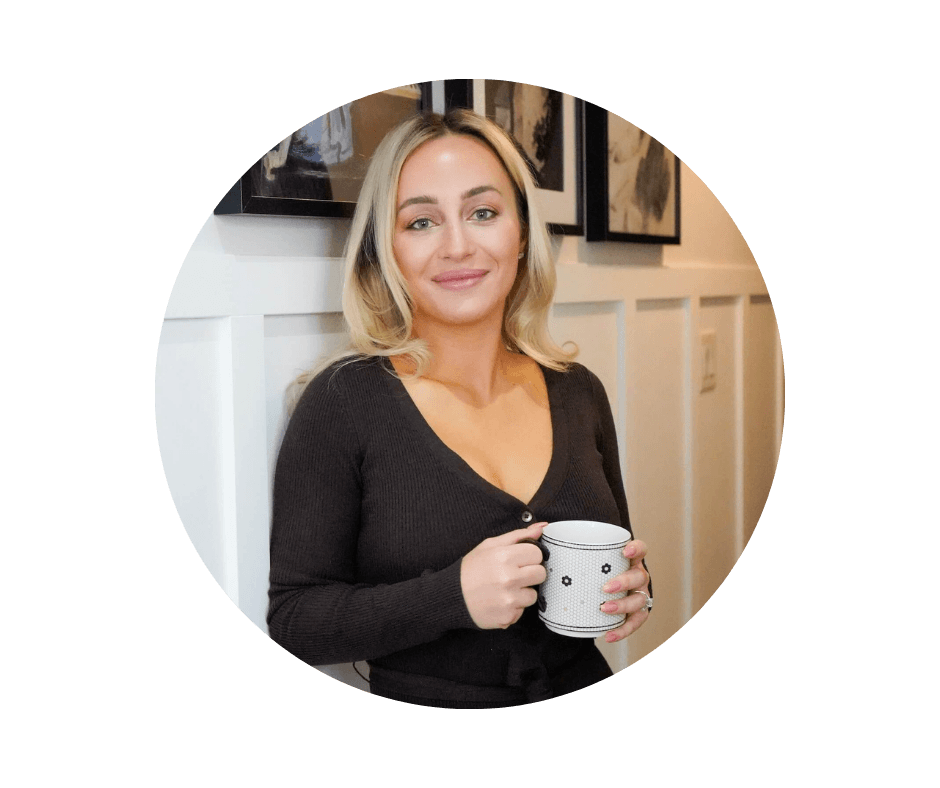
Paula Vescio, MSW, RSW
Is the founder and clinical director of House of Wellness Therapies. A warm, relatable therapist specializing in individual, couples, and family therapy, she combines evidence-based approaches (CBT, EFT, Gottman Method, mindfulness, and trauma-informed care) with genuine compassion to help clients navigate anxiety, relationships, parenthood, and life transitions in a safe, judgment-free space.