Understanding Attachment Styles in Relationships: How Your Nervous System Affects Love
By Paula Vescio, RSW, MSW
It's not just about who you love—it's about how your body knows love. Most couples don't struggle because they don't care about each other. They struggle because their nervous systems are protecting them from perceived threats, even within their closest relationships.
When you understand your attachment pattern, you can stop taking everything personally and start relating differently. The good news? Secure attachment isn't a personality type you're born with—it's a skill set any couple can build with safety, repair, and intention.
Why Attachment Styles Matter in Relationships
The way you bonded in childhood often becomes the blueprint for how you connect, argue, and seek closeness as an adult. Your early experiences taught your nervous system what to expect from relationships: safety or danger, connection or abandonment, trust or betrayal.
So, why does this matter for your relationship today? When couples seek therapy, the issue isn't always "communication." It's often the attachment pattern beneath it—the push, pull, or shutdown that happens when you feel emotionally unsafe.

The Anxious Attachment Pattern: Craving Connection
People with anxious attachment crave closeness and reassurance. They become hyper-aware of any signs of distance or disconnection in their relationship. Often, they feel like they're "too much" or "too needy," but this stems from a deeper fear.
Core Fear: "You'll leave me."
Typical Anxious Response:
Pursue connection harder when feeling unseen. This might look like:
Seeking constant reassurance from their partner
Becoming emotional or urgent during conflict
Feeling panicked when their partner needs space
Interpreting neutral behavior as rejection
Many couples therapy sessions reveal this pattern, where one partner's need for connection triggers the other's need for space.
The Avoidant Attachment Pattern: Valuing Independence
People with avoidant attachment value independence and self-sufficiency. They often feel smothered or pressured by their partner's emotional needs, and may shut down or withdraw when things get intense.
Core Fear: "I'll lose myself."
Typical Avoidant Response:
Pull away when feeling overwhelmed. This might look like:
Needing space during emotional conversations
Minimizing problems or emotions
Feeling suffocated by too much closeness
Shutting down when conflict arises
The Anxious-Avoidant Dance: A Common Relationship Pattern
This pairing often feels magnetic and exhausting. The anxious partner chases closeness while the avoidant partner needs space. Each reaction fuels the other's core fear, creating a painful loop of pursuit and withdrawal.
The Common Cycle in Conflict:
1. One feels disconnected → gets louder, emotional, urgent
2. The other feels cornered → shuts down, minimizes, or leaves
3. The more one reaches, the more the other retreats
4. Both feel alone but for opposite reasons
Each partner's reaction triggers the other's deepest fear, creating a cycle that can feel impossible to break without understanding what's really happening underneath.
What Does Secure Attachment Look Like?
Secure attachment isn't about being perfect. Secure is two people who can tolerate closeness and tolerate space, without activating fear responses in each other.
Secure Attachment Sounds Like:
"I can be close without losing myself."
"I can take space without abandoning you."
"We repair when we rupture."
Secure Attachment Sounds Like:
Safety to speak honestly, even when it's uncomfortable
Trust that conflict won't destroy the relationship
Responsibility over your own reactions
Less defending → more understanding
Less reactivity → more repair
Building Secure Attachment: Moving from Reactive to Responsive
The beautiful truth about attachment is that it can change. Through awareness, practice, and often professional support, couples can learn to create security together, regardless of their individual attachment histories.
Key Steps to Building Security:
Recognize Your Patterns
Understanding whether you tend toward anxious or avoidant responses helps you catch yourself before reacting from fear.
Name the Fear Underneath
Instead of "You never listen!" try "I'm scared we're growing apart."
Instead of "You're being too emotional," try "I need a moment to process this."
Practice Repair
Secure couples aren't conflict-free—they're repair-focused. They come back to each other after disconnection.
Build Safety Gradually
Security develops through consistent, small actions that demonstrate reliability and care.
The Power of Attachment-Based Therapy
Many couples find themselves stuck in these anxious-avoidant cycles without understanding why. Research shows that attachment-focused therapy is highly effective for helping couples break these patterns and build lasting security.
Understanding your attachment style can transform your relationship. Licensed therapists who specialize in attachment theory can help you recognize these unconscious patterns and develop healthier ways of connecting.
Professional Support for Attachment Issues
If you and your partner want support in moving from reactive to responsive, understanding your attachment patterns can be transformative. At House of Wellness Therapies, we help couples throughout Ontario - from Toronto to Hamilton, London, Mississauga, Vaughan and the Greater Toronto Area - recognize these unconscious patterns and develop the skills to create lasting security together.
We support couples in moving from surviving their relationship to actually feeling safe in it. Our licensed therapists specialize in attachment-based therapy, couples counseling, and relationship repair. When you're ready to break the cycle and build something different, our team is here to guide you through that process with compassion and expertise.
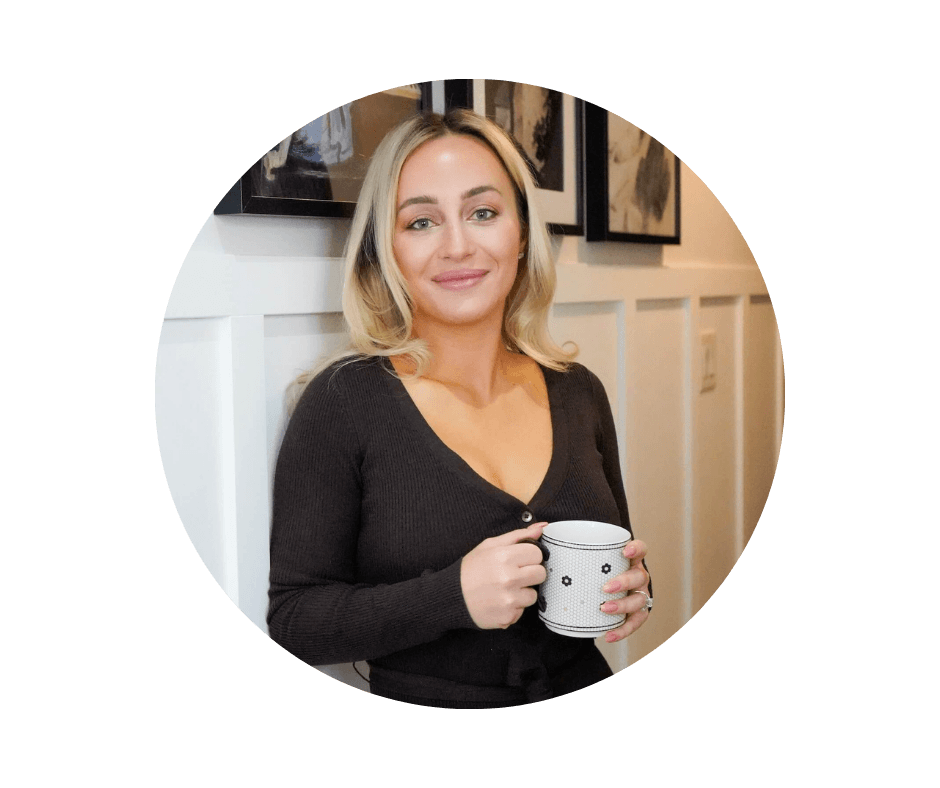
Paula Vescio, MSW, RSW
Is the founder and clinical director of House of Wellness Therapies. A warm, relatable therapist specializing in individual, couples, and family therapy, she combines evidence-based approaches (CBT, EFT, Gottman Method, mindfulness, and trauma-informed care) with genuine compassion to help clients navigate anxiety, relationships, parenthood, and life transitions in a safe, judgment-free space.